
W HOTEL, St. Petersburg
01 июля 2015

5-star
hotel belonging to the world famous chain is located at the very heart of St.
Petersburg, just a few steps away from St. Isaac Cathedra, Nevsky prospect and
the Palace Square. Not that it’s amazing only because of having been awarded with premiums as the best new hotel
in Russia (the hotel was opened in 2011 and this place is visited by
world-famous stars.
It’s
amazing because of its unique approach towards guests and business in general.
Behind its luxurious rooms in Faberge style interpreted by famous designer
Antonio Citterio and one of the most elitest parties with the participation of
celebrities from fashion area, music and design, true love is hidden: love
towards the business and reverent, absolutely democratic attitude towards any
person entering into its doors. We interviewed Julia Luppian, who became our
guide into the hotel’s space and presented us wonderful and unforgettable trip
along magic places of St. Petersburg.
IDEA
-The chain
“W” appeared in 1998 in New-York. There was no coincidence, as exactly in that
“alive” city feeling all modern tends were people that wanted to created place,
where one would have not just rest, but also will get energy. In fact, they
have made revolution in the hotel business by having created 5-star hotel,
which concept is focused on music, fashion and design.
Our hotels
always have exhibitions, show rooms, fashion shows, famous DJs play here. So,
guests always know that here they can not only have rest, but also know
something new. Apart from that, “W” means world of “WOW”. And “double you” means you & you, meaning “we” and “guests” (is
smiling).


HOSPITALITY PHILOSOPHY
-Our
philosophy is “Whatever – Whenever”. When guests come here, they know that
their whims will be complied. For example, in summer time guests want parties
at yachts and mostly private parties (when there nobody apart from them). Also
we had guests that wanted to fly on helicopters. That time there were some
difficulties, flights were impossible and we sent them to vertical wind tunnel
– they wanted to fly and we gave it to them! We never say “no” – we always have
“yes, a bit later”. One more situation. One guest told us (before his coming)
he wanted to see sun very much and I told him: “no problems”. That day, when he
came, it got colder and it was raining. Nevertheless, we found way: we found a
ball with the shape of the sun and we put it into the guest’s room. Then we
received happy letters from him thanking us. We are not afraid of
experimenting.

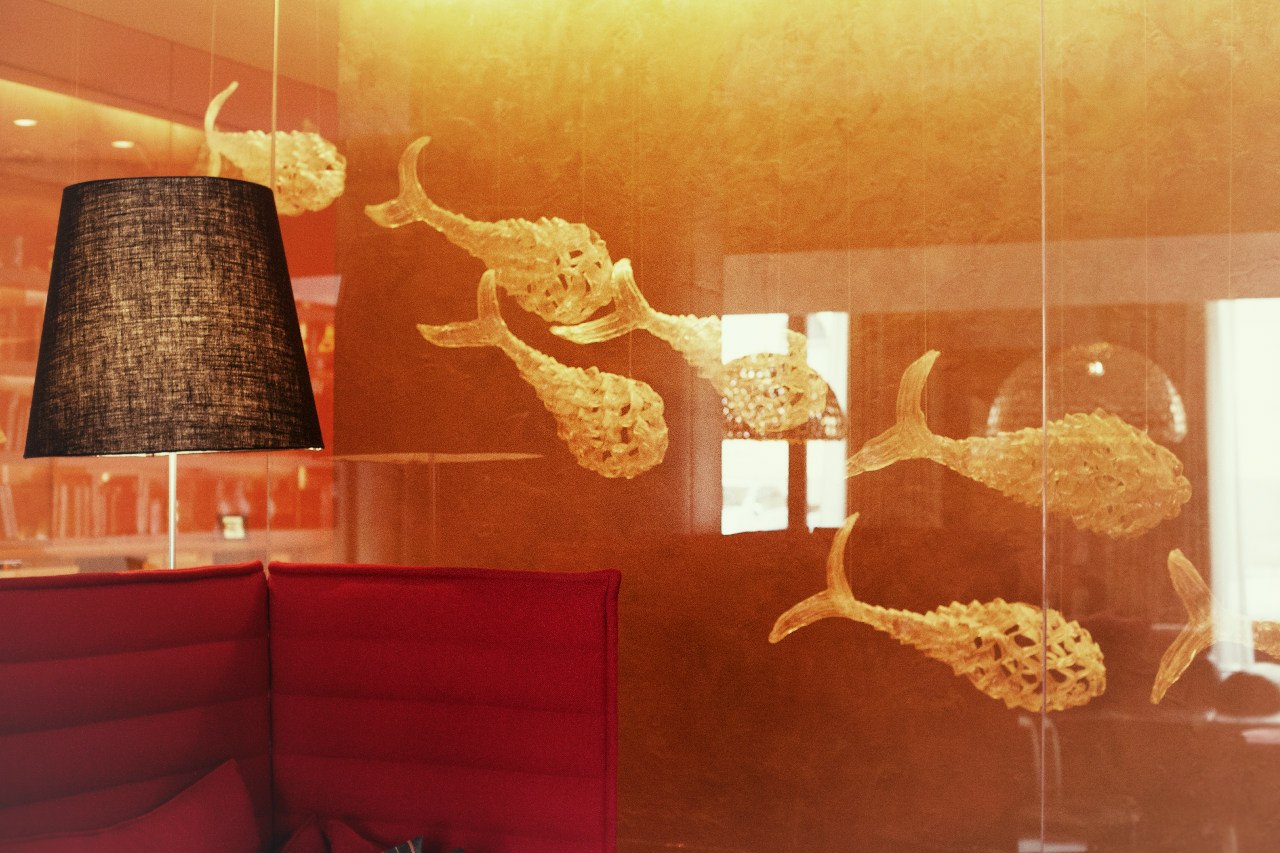

INTERNAL DANCE OF LILIYA BURDINSKAYA
27 июня 2015

When did dance appear in your life at first time?
-At the age
of 6. I didn’t like it. I was really suffering during classes, I didn’t want to
dance at all. When I was 8, I gave promise myself: I will learn to dance so
good that when I will leave it, nobody could complain. I promised myself that I
would be special in this art to prove everybody once for all.
-Was the classical choreography the first step?
- Yes, of
course. All starts from classic. I remember that my teacher of classical
choreography was very hard-edged.
- You didn’t like strict system of teaching or there were some other reasons?
-
Strictness was ok for me. I didn’t like white tight-fitting swimming suit that
was very awkward, these ballerines, tight laced girls – I didn’t like that
climate. Our swimming coach used to shout a lot, pushed us – despite it, we
really adored him. But here was kind of distance; everything was focused on
dead result. So, dance happened early in my life, but that was constant
struggle. That was bad, non-interesting struggle, just a bargain with
myself. I remember when I was criticized
severely and said that time: “You will never dance. Never!” That stuck in my
mind, sometimes it even made attacks of lack of self-confidence.
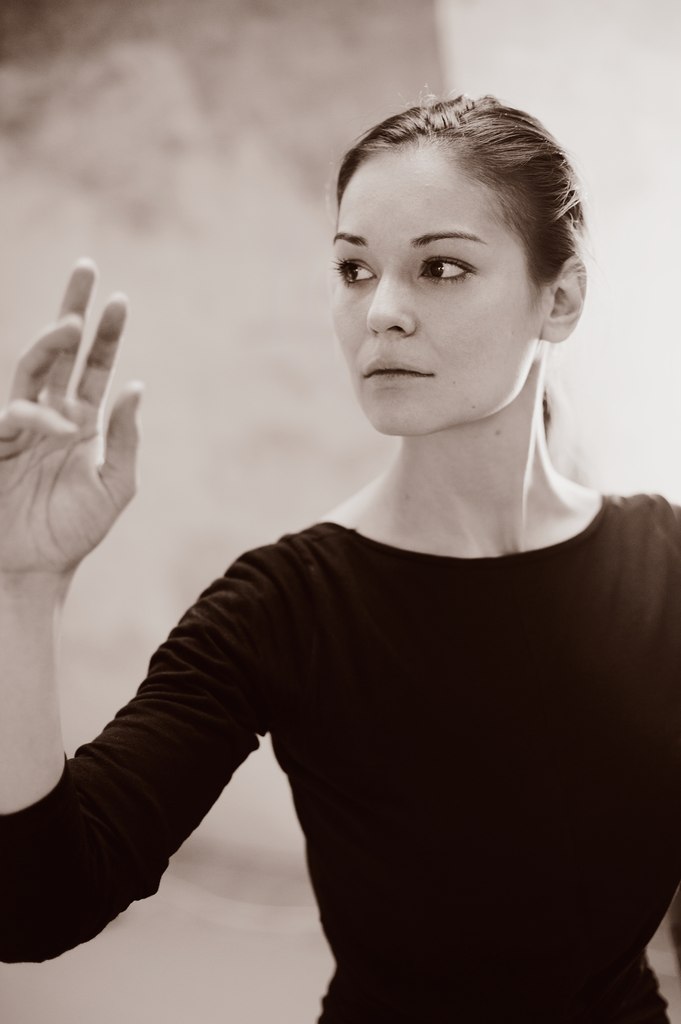
-In fact, dance is like living life. So, you live all life stages during 3-4 minutes, while music is goes on, and there is struggle, love, personal evolution in it. Is it like that?
-Yes, dance
has involved into my life to such level that I can’t imagine my life without
it. I don’t exist without it. I feel psychologically and physically bad, when I
don’t dance. Sometimes while living life of free creator without labor
book and other conventions I want to cut myself some slack, to retire, but I
can’t manage it, as I won’t feel good, if I do it. So, when dance improvisation
is going on, It is not something particular – love, fear or something else –
all my 29 years are placed in these 3-4 minutes.
-How can you describe Your Internal Dance?
-It is
language of deaf-mute. I defined it
accidentally, unconsciously, during my talk with Sergey Sarahanov. Then I
forgot about that. But suddenly something started happening in my life. I
decided to erase my old habits, I went to study abroad so that to be among
professionals and to get rid of most of the things I had worked out in myself
before. There was a moment when I felt that I started making gestures that
hadn’t been usual for me before. Absolutely new gestures appeared. Then later on I wanted to learn deaf mute
language to give shape for my new movements. I went to Pavlovsk to the special
school. Its director was against my idea, she didn’t let me in. The climate
there was so interesting: at first there was silence, then all started
laughing. They all have their stories – it is also dance! Finally, I fixed
regarding entering the courses. Two years passed. I was searching through the
Internet video about deaf people and I came across with battle of poets, where
one woman “was reading” by gestures beautiful poem. Despite the fact that it
was without any words, I understood everything and that was amazing. That was
very similar to things I do and feel. Suddenly I realized that I don’t need to
learn special language, I am living with it with all my being. I would like to
work with it with people. I think that hard of hearing person can tell much
more than I know.

-So, in your case all happened through “zeroing out”. You “zeroed out” and something new happened in your life…
-Yes, it
did. And there was exhaustible marathon of 31 hours of dance non-stop. Then
travelling. I deprived myself from ambitions to dance. I decided to do it
because I wanted to stop wishing to dance for somebody or something, to be
accepted by somebody or excused. Otherwise, it was deceit. Well, ambitions
didn’t leave me completely, but sometimes I don’t care – in a good sense.
- Do you feel any conflict with external world? If yes, how do you react?
- I do. I
react very sharp. Sometimes I feel strong anger. It is difficult to talk about.
In recent times I have been feeling big dependence on people. Well, banal
situation: I have troupe that should be supported. I waited very long, when
some sponsor would appear, would finance our activity, but then I understood
that it could never happen. I left school “Bye-Bye Ballet” in order to hold my troupe by my own classes
and without any dependence on anyone. That moment people started coming to me.
I had dual feelings. On one hand, I needed that, on the other hand, it became
too difficult and impossible. I was working on it.

-What is your mission in your activity?
- I feel
great responsibility towards all people that created technique, esthetics,
filling-up of Contemporary dance. I know very well its history, how it
developed and what creators wanted. And I am scared to see all this “contemp”
existing nowadays. I am afraid that this heritage will become a thing of the
past.
READ MORE...
READ MORE...
PALKIN restaurant (St.Petersburg)
30 мая 2015
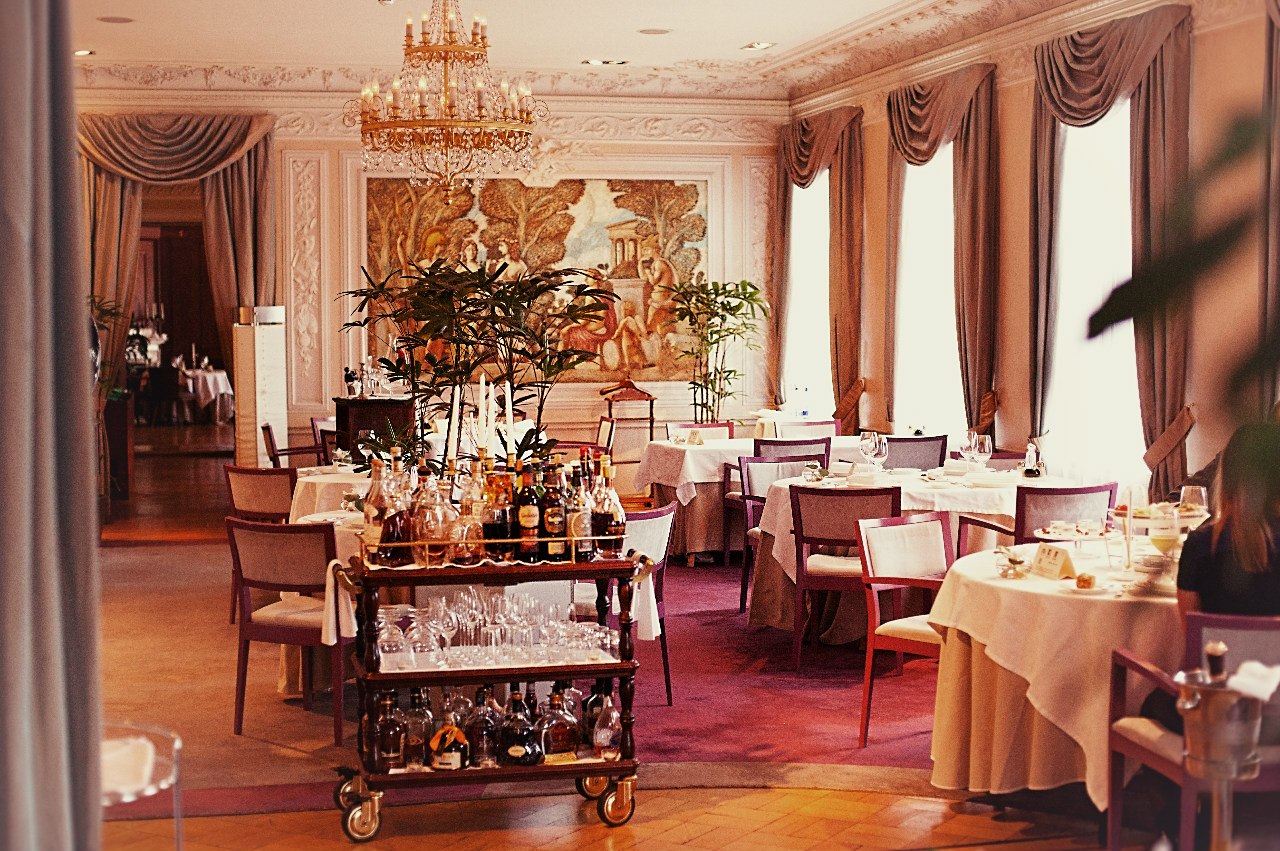
You can
count on one hand modern Russian restaurants that have treasured ancient spirit
of exclusiveness and Russian gastronomical traditions within their walls . The
“Palkin” restaurant is one of them. It was visited by Chaikovsky,
Saltykov-Shchedrin, Leskov, Dostoevsky, lawyer Kuni, members of royal family
and many other famous foreign artists and high-ranking persons. Many foreigners
are eager to get here, sometimes it is impossible to book a table – the same
situation used to be many years ago. History and modernity go side by side in
St Petersburg, and it’s no coincidence that “Palkin” has become of the
brightest examples of that. This time
Rustam Navruzov (the managing director of the restaurant) has become our
attendant in the restaurant. We are very thankful to him for his interview and
assistance in creating historical feature.
THE MANY
FACES OF HISTORY.
So, we are
in one of the oldest Russian restaurants. Why “Palkin”? The name originates
from surname of a merchant of top guild - Anisim Palkin, who became the founder
of restaurateurs’ family (The Palkins). He opened his first place in 1785. He
owned more than 10 taverns that used to be the most famous and attended places
of the city that time. Anisim Palkin used to run other his subsidiary companies
from one of his taverns, where the restaurant “Palkin” appeared after 100
years. It was opened by Konstantin Palkin in 1875, the grandson of that Anisim
Palkin. That time the restaurant occupied 2 floors, and the architect Kreizer
overbuilt 2 more floors later. From that time “Palkin” had become one of the
biggest entertainment places in Petersburg. 25 halls used to be here: billiard
rooms that attracted young people, specials rooms like casinos, theatre rooms,
banquet halls, also main halls of the restaurant. “Palkin” played a significant
role in life of St. Petersburg. Chaikovsky used to perform here, Koni used to
visit this place, Saltykov-Shchedrin, Leskov, Dostoevsky were frequent clients
here and literature evenings used to be arranged for them here. Interesting
fact: writers that didn’t shake each other’s hands at street sat at one table
here. The most famous foreign singers and actors of that time performed here
during banquets.
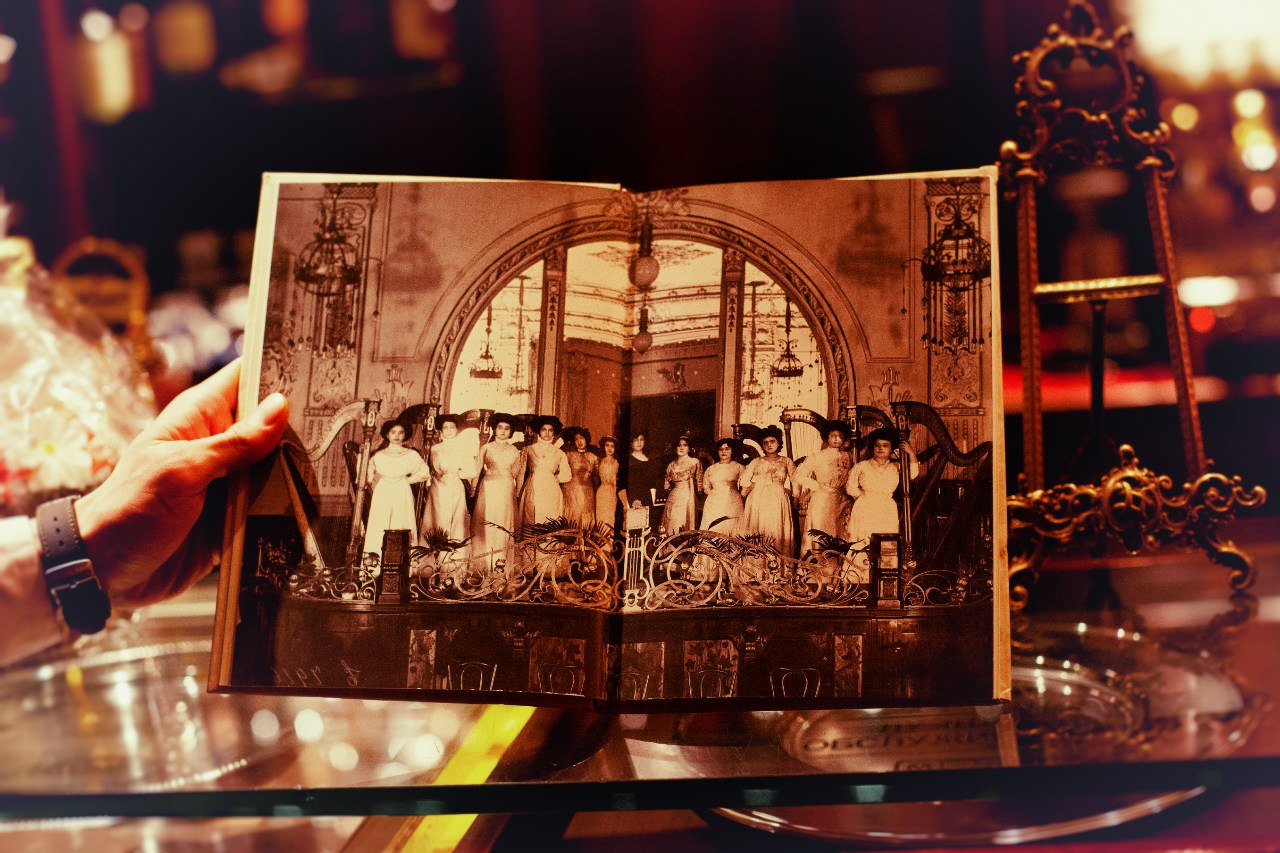
Sometimes amusing situations occurred. For instance,
Saltykov-Shchedrin, according to contemporaries, often visited “Palkin” to kill
loneliness. He enjoyed joking at waiters. That time there was a huge pool with
fish. You could order the fish. So, Mikhail used to show at some fish, asked to
weight it, waiters started to bother, weight, but that guest suddenly used to
refuse to order it. Waiters were furious, but for Saltykov-Shchedrin that was
funny entertainment. Yes, these things happened.

When Konstantin Palkin passed
away (the end of 19th century), his wife tried to tackle the business. But that
was so huge business that she couldn’t cope with it. Then the restaurant was
repurchased by Soloviev (merchant of top guild), who owned gastronomic shop on
the first floor, where he sold exotic things from all over the world. He was
one of the most respectable and rich persons in the city. But then “dry law”
forced almost all pubs of the city to close. “Palkin” was trying its best to
exist, but there were too big expenses. Eventually it got empty and it had to
be closed (in 1918-1919). Then there was period of repressions. Prison was
arranged the cellar. Second floor was occupied with cinema, where was the
opening night of famous film “Chapaev” and Joseph Stalin attended it, as that
was his favourite film. On other floors there were communal flats; during
blockade premises were occupied with barracks. So, history of this restaurant
has suffered many difficult periods.

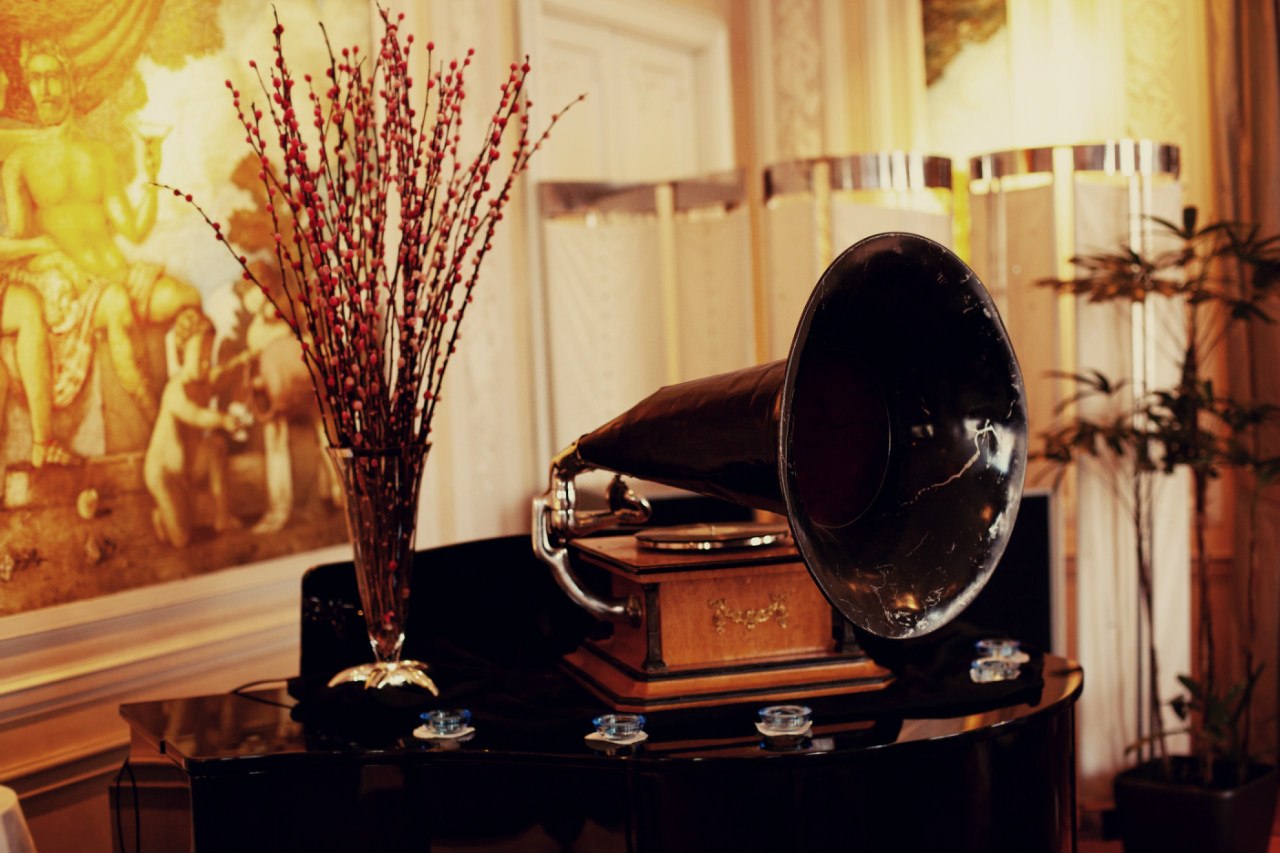
At the
beginning of 90-es the question of rebirth of the restaurant came up. After
3-year-period of renovations, in March 1995, at the place of cinema one elite casino-club
“Premier” was opened. It was with nice
restaurant that in no small degree inherited unique club spirit of “Palkin”.
Igor Bogdanov, historian, during two years was collecting historical data about
“Palkin” and eventually he wrote a book with 12 pages that was issued in amount
of 7oo copies. Everything was
reconstructed here according to that book. Reconstruction was confided in employees
of Russian museum of Hermitage. They
were reconstructing it about 5 years, according to photos, magazines, personal
stories (for example, Bunin wrote about the restaurant and others). Apart from
safe of Konstantin Palkin, other ancient details didn’t almost remain. But
ancient cookery book remained here. It was very old, third of it was
irreversibly lost, but the rest of it was recovered.
READ MORE...
READ MORE...
Uilliam Lamberti. About goals, flavors from childhood, tolerance and cozy restaurants.
05 мая 2015

Uilliam Lamberti
is known by many people as unique restaurateur with unique taste. Restaurants that
he opens immediately become fashionable and people that appreciate high quality
food tell each other about another culinary masterwork made by the hands of the
master. However, this person that had travelled a long way to achieve all that
he has now. The person, who managed to save traditional, family values, spiritual
core, kindness towards people and belief in the best no matter what happens.
So, this time Uilliam Lamberti is in our heartful interview.
- What is
your main life value, the core that your life is based on?
- My
family is the most important thing in my life. Definitely. Mostly it is connected
with the fact that I was brought up this way: my mom from Sicilian family, where
traditions had strong essence; my grandpa was very respected and famous in his town.
In some sense, these traditions were very strict, but for me family has become
the main point. Everything I do is based on my family.
- And in restaurants
you create you try to put the concept of a family hearth, right?
- Yes, I
try to express what I have in my mind, in my head and in my heart.
- In one
of the interviews you told that you had decided to become a chef in your
childhood. Do you remember how did this decision come to you? Or, maybe,
someone of your relatives used to be connected with restaurant area and your
choice was absolutely logical?
- No, my relatives
were military. I am the first one, who has started completely different path. I
remember my grandma cooking pasta with marvelous flavor of the dough, I remember
our jointed celebrations of the New
Year, when the whole family of 40 people sat the table, when father switched
off TV, so that nobody would got distracted; and all ate calmly. For me food is
associated with a holiday, moment when all busy people lacking time can get
together and share something. Maybe, for 2 hours, maybe for 5 minutes – it
doesn’t matter – it is all compensated by the joy of unity that all people
receive at these moments. So, yes, everything that concerns table is the core
keeping all my life.
- What tastes and flavors from childhood, apart from mentioned
pasta, have sticked in your memory?
- For example, mortadella, some kind of doctor sausage. In school years my friends and me used to make sandwiches from this mortadella and that was awesome! Flavor of parmesan is one of the most popular in every Italian family. And flavor of sea.
- For example, mortadella, some kind of doctor sausage. In school years my friends and me used to make sandwiches from this mortadella and that was awesome! Flavor of parmesan is one of the most popular in every Italian family. And flavor of sea.
- Yes,
here it’s impossible to find sea flavor, unfortunately... By the way, do you have
nostalgic feelings towards Italy?
- Honestly speaking, no, although, I haven’t been living there over 30 years.
- Honestly speaking, no, although, I haven’t been living there over 30 years.
- Why did you decide to leave Italy?
- I don’t know, it just happened. I wanted to leave home early, to start my own life, to see something new. I started packing suitcases, when I was 14.
- I don’t know, it just happened. I wanted to leave home early, to start my own life, to see something new. I started packing suitcases, when I was 14.
- Was your
way from Italy to Moscow direct?
- No, first I went to Europe, then I was invited to Moscow.
This is how I have stayed here.READ MORE,,,


RUSSIANS IN THE WORLD: Austria, Vienna. Gulnara

Gayanat: Tell us, please, how did
you happen to be in Austria?
Gayanat: Was the integration
process in Austrian society easy for you?
Gayanat: How can you describe
nature of Austrians and, to your mind, what is the difference in our
mentalities?
Gayanat: Your husband is French, that
is why the issue of combination of mentalities is not new for you. Your
children have absorbed 3 different mentalities: Russian, French and Austrian.
According to your personal observations, it is easy for them to interact with
local children?
read more...
read more...
«Kizhi»

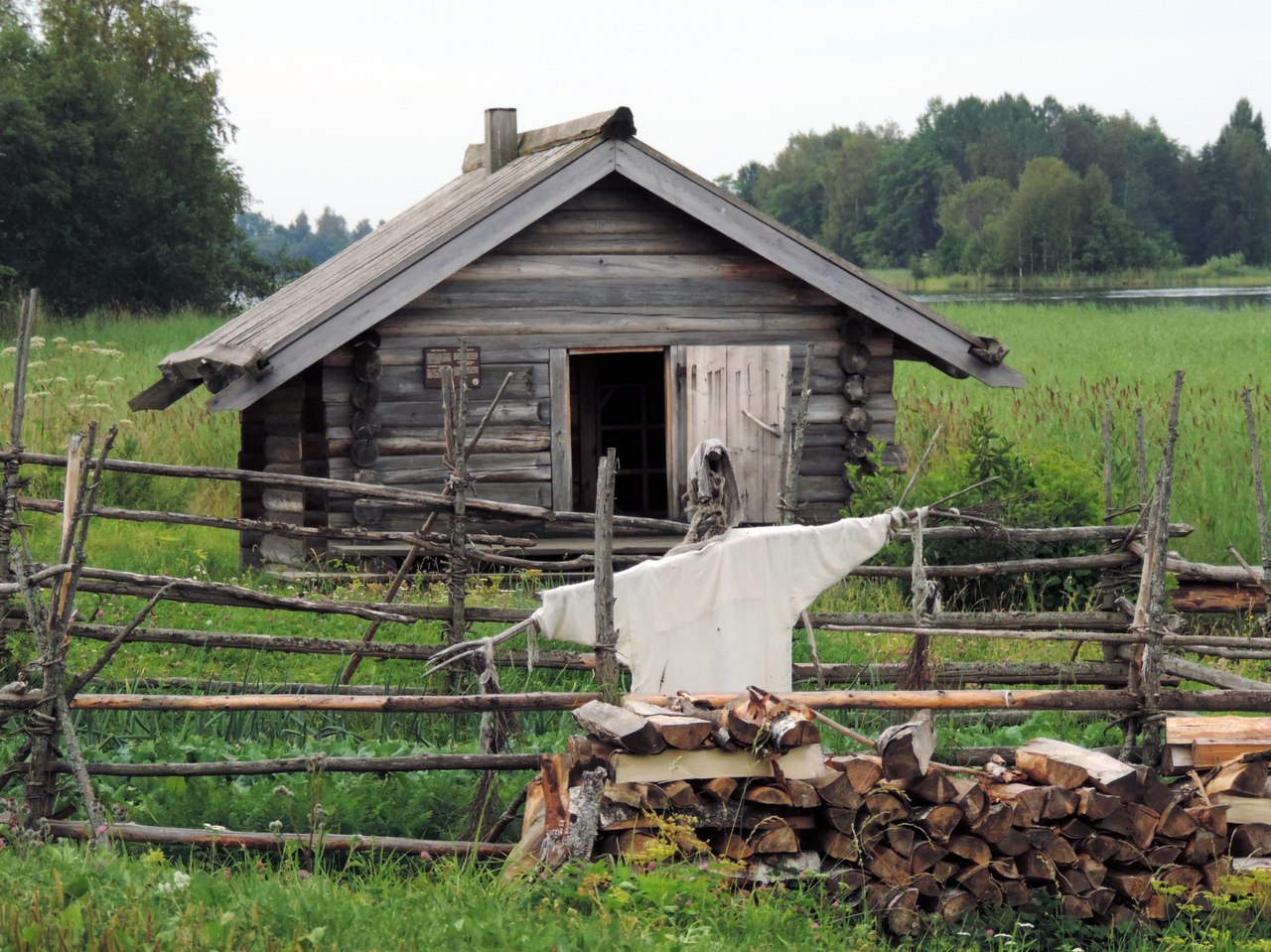
Kizhi is one of the most beautiful Russian open-air museums. This is unique, historical and cultural natural complex. Ensemble of Kizhi graveyard is the heart of the museum collection and is UNESCO object. There are architectural monuments, everyday items, icons that have been (over last three centuries) created in Russian, Karelian and Vepsian villages of different parts of Obonejie.
Church of the transfiguration (22 domes) is famous all over the world. It is the center of the ensemble, it was built up in была 1714 at the public expense after fire of 17th century that had destroyed previous buildings. This church (including dome and cross) is made of wood with the help of axe and chisel without nails. By the way, long life of Kizhi churches is explained in the following way: they were created without using saw, as processing of wood with the help of axe doesn’t destroy its structure. That is why the churches live.
Russian North is called treasury of wooden architecture. Extent of constructing imagination and luxury of shapes – you can see all these here, nowhere else.
Our author Ivan Kuznetsov has visited Kizhi and made some inspiring photos. Here we share them:



Gayanat-club: Chinese New Year
23 февраля 2015

First meeting of our Gayanat-club was very successful and was devoted to Chinese New Year. We were cooking and eating Chinese dishes, drinking Chinese tea, drawing hieroglyphs that are important for the new year, according to Chinese calendar. We also drove away all undesirable evil spirits (this is Chincese tradition) by petards, we met with new interesting people. We are looking forward to see you on our next meetings!


Paintress Victoria Parhomenko. Thousand names of one strong woman.
09 декабря 2014

After TV program «Glory minute» our
country heard about her, she conquered the audience with her pictures
with sand and iron. Talented artist always leaves prints of the nature of strong,
restive woman with fine appreciacion (no matter, if she takes brush, sand, iron
or clay). There might be made films about life path of Victoria, about heroine of
our narrative, but only she knows, what does it mean, when you lose and find
new strength to move forward. On this way she helps others, kids and adults and
she discovers unique talent of the artist in herself.
«My name is Victoria Parhomenko, my mom calls me dear daughter, Viculya, love, baby. My children call me mom. My students call me Victoria Victorovna. There are people that don’t like me and they call me bitch, stinker, anyhow. Someone would call me a star. Someone would call me mediocrity. By my essence isn’t changed because of that. My hair doesn’t get longer because of that, my legs don’t become shorter, my right and left hemispheres don’t switch places. Despite that I have thousand names».
The story of our guest happened 20 years ago. Life path
of Victoria Parhomenko reminds blind walk along impassable ground. Like in medieval
fairy tales, the lady got into boondocks and got lost in the covert and she is
desperately trying to break loose. The fight with fate that lasted many years
finished with the victory of our heroine. But let’s talk about everything in
order.
At the beginning of 2000 misfortunes were flooding the
lady. Fire in her flat, depression, troubles with husband, poverty – during some
years she had to overcome through all these. The most horrible thing that haunted
her was inability to affect the situation. She tried to hide from depression in
her creativity. But troubles didn’t stop haunting her. Endless removals, husband’s
drunkness, disasters, poverty and depression again. She lived for some time in the
Chelyabinsk region, then she moved to Anapa, then from hospital in Anapa she
ran to Kurgan, where her mother lived. There Victoria started to earn some money
for medical treatment of her daughter that was suffering from cerebral palsy.
«Someone should
have fed family. I understood immediately that I wasn’t able to deal with real
estate, as I had to do it before. I used to catch on everything that was possible.
I opened network company and quickly got involved into this area, received about
50 partners at first days. But after some months I understood that I wanted to
do something else».
Then
Victoria saw at first time video about Ilana Yahav, Israeli sand painter. Pieces
of Ilana turned life of Victoria upside down. She was astonished that sand
could be a material for painting! And it doesn’t depend on what you are
painting, it depends on the painter. Victoria set a goal to learn sand painting.
She decided to practice it independently, as tuition was expensive, plus she had had to
leave her kids and move to Peter. She shared her ideas regarding painting with
her family, soon they helped her to make the first table for painting.

«My first table looked like a box or coffin. Its length was 1 meter, depth 65 centimeters. We gathered some sand, fried it and I tried to paint with it at first time».
Long trainings started. Every morning she used to wake
up at six AM and she went to her godson’s place that had the table. Every day Victoria
went 12,5 km to reach her relatives’ place. She got there by foot in order to save
money.
«I used
to draw one hour till the table became hot; my godson shoot it; then we watched
together all that video. Then, in the midnight we went some blocks by foot to
my friend’s place. We always showed her the last videos. She criticized my
work, she told that was horrible and I could do better. At 2-3 o’clock in the
morning I got home, slept a bit and then again went to train».
Victoria realized at her birthday that she was ready
to get to scene and show her art to audience. She managed to rent a space in a
café with big TV, she printed tickets and gathered people.
«It was
difficult to explain what I was going to do. The closest people came to my
first program, about 35 people. That was the scariest audience: my mom, kids and
those, who could say that it was “not my
thing”.
Victoria was presenting her program non-stop. When she
finished, people were crying, gifting flowers, congratulating with happy
birthday and first triumph. But when she went backstage, she cried, as she
understood that all her plans were shattered. She couldn’t earn money via painting
to cure her daughter. Victoria continued what she had started, she tried to
rent new places, she performed with musicians. The amount of audience was increasing. Debut performance
in front of huge hall brought her first 5 000 rubles. TV and mass media
started covering her, she became recognizable…
«Then
suddenly I moved to Anapa, left kids with my mom. I wanted to prove myself that
I would return here as a different person (transformed). When I came here, I
understood that I had to start from scratch here, not even from scratch, but from
minus. I didn’t know anyone here. I started drinking alcohol».
Introduction
with one woman helped Victoria, this woman helped her to settle in Anapa. With
the help of this madam Victoria started arranging concerts again, giving shows
and making living. She learnt how to draw with iron and this art she used when
she got to “Glory minute”. After some time one friend offered Victoria to open
personal studio in Anapa. Victoria agreed, but her partner disappeared after the opening. Victoria relied on her and first 7-8 months were
extremely difficult to handle alone. She had to gather master-classes from internet,
to experiment so that to be able to offer something new for her students.

в студии
Today in the art-studio PROSPERE tens of people are
studying. There are pre-school children, pupils and pensioners, Victoria can teach
anyone. After challenging way towards success our painter changed in a big way her attitude towards art,
creativity and herself.
«I feel
myself Jewish. It comes with ages, when you start feeling your national
identity. I love Hebrew, I get real pleasure when people speak Yiddish. I love Jewish holidays.
Deep down
I feel that I belong to Jewish culture. Moreover, I am a real Jewish mummy. I
am convinced that there are 2 types of kids: strange and genius. I always say
to my kids: “you are the best, you can do more”.